
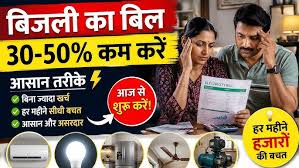
For many middle-class families, the monthly electricity bill is a significant household expense. With increasing electricity tariffs and greater use of appliances such as air conditioners, refrigerators, and washing machines, energy costs can quickly add up. Fortunately, by combining energy-efficient habits with rooftop solar, many households can substantially reduce their monthly electricity expenses—sometimes by as much as 80%, depending on their energy consumption and system size.
This guide explains practical ways to lower your electricity bill without compromising your comfort.
Understand Where Your Electricity Is Being Used
Before trying to reduce your bill, identify the appliances that consume the most electricity. In most homes, these include:
- Air conditioners
- Water heaters (geysers)
- Refrigerators
- Water pumps
- Washing machines
- Electric irons
- Kitchen appliances
- Lighting and fans
Monitoring your monthly electricity consumption helps you identify opportunities to save.
Switch to LED Lighting
Replacing traditional bulbs with LED lights is one of the easiest ways to reduce electricity usage.
Benefits include:
- Up to 80–90% lower electricity consumption than incandescent bulbs
- Longer lifespan
- Lower maintenance and replacement costs
Although the initial purchase cost may be slightly higher, LEDs usually recover their cost through lower electricity bills.
Use Energy-Efficient Appliances
When replacing old appliances, choose products with higher energy-efficiency ratings.
Consider upgrading to:
- 5-star rated air conditioners
- Energy-efficient refrigerators
- Inverter washing machines
- BLDC ceiling fans
- Efficient water pumps
These appliances consume less electricity over their lifetime, helping reduce monthly bills.
Optimize Air Conditioner Usage
Air conditioners are among the highest electricity consumers in most homes.
To improve efficiency:
- Set the temperature between 24°C and 26°C
- Clean filters regularly
- Keep doors and windows closed while the AC is running
- Use ceiling fans to circulate cool air
- Service the AC periodically
Small changes in usage habits can significantly reduce electricity consumption.
Eliminate Standby Power Consumption
Many electronic devices continue to consume electricity even when switched off.
Examples include:
- Televisions
- Set-top boxes
- Chargers
- Microwave ovens
- Wi-Fi routers
Turn off appliances at the main switch or use smart power strips to reduce unnecessary power consumption.
Install a Rooftop Solar System
One of the most effective ways to reduce electricity bills is by generating your own electricity.
A rooftop solar system can:
- Power household appliances during the day
- Reduce dependence on grid electricity
- Lower monthly electricity expenses
- Protect against rising electricity tariffs
For many middle-income households, a 3kW rooftop solar system is sufficient to meet a significant portion of daily electricity needs.
Take Advantage of Government Subsidies
Eligible homeowners can receive financial assistance under the PM Surya Ghar: Muft Bijli Yojana.
For a 3kW residential rooftop solar system, the central subsidy can be up to ₹78,000, subject to prevailing government guidelines.
This reduces the installation cost and improves the overall return on investment.
Use Appliances During Daylight Hours
If you have rooftop solar, schedule high-energy appliances during the day whenever possible.
Examples include:
- Washing machine
- Water pump
- Dishwasher
- Electric iron
- Water heater (where appropriate)
Using solar-generated electricity directly can maximize savings and reduce grid consumption.
Monitor Your Electricity Consumption
Smart meters and electricity monitoring apps help you:
- Track daily electricity usage
- Identify unusually high consumption
- Detect faulty appliances
- Monitor savings after installing solar
Regular monitoring encourages better energy habits.
Can You Really Reduce Your Bill by 80%?
An 80% reduction is possible for some households, but it depends on several factors, including:
- Current electricity consumption
- Size of the rooftop solar system
- Local electricity tariff
- Net metering regulations
- Energy-efficient appliances
- Daily usage patterns
Homes that combine rooftop solar with efficient energy use often achieve substantial reductions, while others may experience lower or higher savings depending on their circumstances.
Conclusion
Reducing your electricity bill doesn’t require sacrificing comfort. By replacing inefficient appliances, adopting energy-saving habits, and installing a rooftop solar system, middle-class families can significantly lower monthly electricity expenses while contributing to a cleaner environment. Careful planning and consistent energy-efficient practices can deliver long-term financial benefits and greater energy independence.
Frequently Asked Questions (FAQs)
1. Can I really reduce my electricity bill by 80%?
Some households can reduce their electricity bills by up to 80% by combining rooftop solar, energy-efficient appliances, and responsible electricity usage. Actual savings vary based on consumption, system size, local tariffs, and net metering policies.
2. What is the fastest way to lower my electricity bill?
Replacing conventional bulbs with LEDs, upgrading to energy-efficient appliances, reducing unnecessary electricity usage, and installing rooftop solar are among the most effective ways to lower monthly electricity costs.
3. Is rooftop solar necessary to achieve major savings?
Not always. Energy-efficient appliances and good electricity habits can reduce bills, but rooftop solar often provides the greatest long-term savings by generating your own electricity.
4. How much does a rooftop solar system cost?
The cost depends on system size, equipment quality, and installation. A typical residential system may cost between ₹60,000 and ₹4 lakh or more before applicable government subsidies.
5. Is there a government subsidy for rooftop solar?
Yes. Eligible homeowners can receive financial assistance under the PM Surya Ghar: Muft Bijli Yojana, subject to the latest government guidelines and eligibility criteria.
6. Which appliances consume the most electricity?
Air conditioners, water heaters, refrigerators, washing machines, water pumps, and electric irons are typically among the highest electricity-consuming appliances in a household.
7. Do LED bulbs make a noticeable difference?
Yes. LED bulbs consume significantly less electricity than traditional incandescent bulbs and generally last much longer, making them a cost-effective upgrade.
8. Will using appliances during the day increase solar savings?
Yes. Running high-energy appliances during daylight hours allows you to use more of the electricity generated by your rooftop solar system, reducing dependence on grid power.
9. How often should rooftop solar panels be cleaned?
Cleaning frequency depends on dust, pollution, and local weather conditions. In many areas, cleaning the panels every few months helps maintain good performance.
10. Is investing in rooftop solar worth it for middle-class families?
For many households, rooftop solar offers lower electricity bills, government subsidies, long-term savings, and protection from future electricity price increases, making it a worthwhile investment.
Leave a Reply